Fridge and Appliance Removal: Smart, Safe, and Sustainable Choices
Removing a refrigerator or other large household appliances is more than a simple curbside pickup. Proper fridge and appliance removal combines safety, regulatory compliance, and environmental responsibility. Whether you're upgrading to new models, clearing space, or managing a cleanout, knowing the best practices can save money, reduce waste, and prevent harm to people and the planet.
Why Proper Appliance Removal Matters
Appliances contain materials that can be hazardous if handled incorrectly. Old refrigerators, for example, may still have refrigerants and oils that contribute to ozone depletion and climate change if released. Metals, plastics, and electronic components are valuable when recycled, but they require proper separation and processing. Choosing the right removal path ensures:
- Environmental protection through responsible recycling and disposal.
- Legal compliance with local and national regulations governing appliance disposal and refrigerants.
- Safety for workers and residents by avoiding injuries and contamination.
- Potential cost savings via salvage, rebates, or free pickup programs.
Key Considerations Before Scheduling Removal
Before arranging fridge and appliance removal, assess these primary factors:
1. Appliance Condition and Age
The value of an appliance for salvage or donation depends on condition. Functioning units can often be donated or resold, while broken items may only be recyclable. Document the model, age, and condition to speed up the removal process and improve options.
2. Presence of Hazardous Substances
Older appliances may contain chlorofluorocarbons (CFCs), polychlorinated biphenyls (PCBs), mercury switches, and other hazardous parts. Refrigerant recovery is critical: certified technicians must extract and recycle the gases to prevent emissions. If an appliance contains hazardous materials, specialized handling is mandatory.
3. Local Regulations and Recycling Programs
Municipalities and states often have specific rules for appliance disposal and recycling. Some regions require retailers or manufacturers to accept old appliances when selling new ones; others provide municipal pickups or drop-off centers. Research local policies to determine whether free or subsidized options exist.
Options for Fridge and Appliance Removal
There are several responsible ways to dispose of large appliances. Choosing one depends on condition, convenience, and local infrastructure.
- Donation or resale: Working appliances can be donated to charities or sold. This promotes reuse and extends the life of the product.
- Manufacturer or retailer take-back: Many retailers offer to haul away old appliances when delivering a new unit. Some manufacturers run recycling programs.
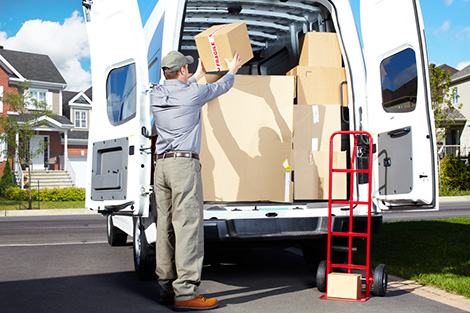
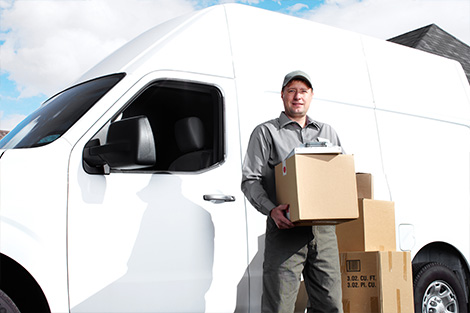
- Licensed appliance removal services: Professional haulers handle transport, disassembly, and proper disposal or recycling. They often provide refrigerant recovery and documentation.
- Municipal recycling centers: Local facilities accept appliances for processing. Check requirements for drop-off or scheduled curbside pickup.
- Scrap and salvage yards: Metal-hungry recyclers may pay for appliances with valuable components, reducing your net disposal cost.
Costs and Financial Considerations
Costs vary widely. Some communities and retailers offer free pickup, while private removal services charge based on size, weight, and labor. Factors influencing price include:
- Distance to a recycling facility
- Difficulty of removal (staircases, tight corners)
- Whether refrigerant recovery and hazardous material handling are required
- Salvage value if components can be resold
Tip: Ask potential haulers if they provide documentation of responsible recycling or refrigerant recovery. This can be important for regulatory compliance and for peace of mind.
Safety and Environmental Protocols
Handling large appliances poses physical and environmental risks. Proper procedures include:
Refrigerant Recovery
Refrigerants such as R-22 and R-410A must be recovered by certified technicians. Releasing these gases is illegal in many jurisdictions and harmful to the atmosphere. A removal provider should either recover refrigerant on-site or transport the appliance to a licensed reclamation center.
Electrical and Mechanical Safety
Always disconnect appliances from power and water sources. Drain water lines and secure moving parts to prevent injury. Use the right equipment, such as appliance dollies, tie-down straps, and safety gloves.
Hazardous Component Handling
Certain parts — like mercury-containing switches, capacitors, and insulating materials — must be separated and processed safely. Qualified recycling facilities will remove hazardous components prior to shredding or smelting.
Maximizing Value: Donation, Resale, and Rebates
Not every appliance belongs in the scrap pile. Explore these avenues to extract value:
- Donate working units to shelters, community organizations, or thrift stores. Donations often qualify for tax deductions in many regions; keep records.
- Sell through local marketplaces for intact appliances. Even old models can attract buyers seeking cheap, functional units.
- Manufacturer rebates and trade-in programs sometimes offer incentives for returning old appliances when purchasing new energy-efficient models.
Be transparent about any flaws or missing parts to avoid disputes and ensure smooth transactions.
Choosing a Reliable Removal Service
When hiring a service, vet potential providers carefully. Look for:
- Licensing and insurance to protect against damage or injury.
- Certifications for refrigerant handling and hazardous waste management.
- Clear pricing and written estimates.
- References or reviews that confirm responsible recycling practices.
Ask about the final destination of the appliance. Responsible haulers partner with certified recyclers or charities. Avoid companies that offer suspiciously high payments for appliances but provide no recycling proof.
Preparing Appliances for Pickup
Streamline removal by preparing appliances in advance:
- Empty contents and defrost refrigerators to remove ice and water.
- Secure doors and cord to prevent hazards during transport.
- Measure doorways and staircases to confirm the appliance can be safely moved out.
- Remove shelving or fragile parts and package securely if you plan to reuse them.
Pro tip: Label electronics or parts you want returned. Clear communication reduces confusion on pickup day.
Environmental Impact and the Circular Economy
Proper fridge and appliance removal supports a circular economy by keeping materials in productive use. Metals are reclaimed, plastics are repurposed, and functional units are refurbished for new owners. Reducing landfill disposal lowers environmental harm and conserves resources used in manufacturing new appliances.
Small actions add up: each appliance responsibly recycled reduces demand for virgin materials and minimizes greenhouse gas emissions associated with production and disposal.
Final Considerations
Deciding how to handle an old refrigerator or appliance requires balancing convenience, cost, and environmental responsibility. Prioritize options that ensure refrigerant recovery, proper hazardous component handling, and documented recycling or reuse. Whether donating, reselling, or hiring a licensed removal service, informed decisions make a difference.
In summary, adopt these core principles: plan ahead, verify credentials, prepare appliances before pickup, and choose sustainable disposal paths. Doing so protects your home, the community, and the environment while often yielding financial or charitable benefits.
Smart appliance removal is a practical step toward sustainable living, and with the right information, it can be efficient, safe, and responsible.