Docklands Man with Van in Docklands

Docklands Man with Van provides straightforward moving support for people and businesses in Docklands who need a flexible vehicle, careful loading and practical local transport. The service is suited to smaller home moves, single-item collections, furniture transport and light commercial work, with the emphasis on moving items securely and keeping the process manageable. If you need help shifting awkward possessions through tight access, or you simply want an efficient way to move goods across town, this is a practical option.
We handle loads that do not require a full removal team, so the service can be a good fit when you want transport only or transport with help at each end. Typical requests can include furniture, boxed belongings, appliances and mixed household items. The approach is built around clear communication, sensible loading and using space well, so customers can arrange a move that matches the size of the job rather than paying for more capacity than they need.
For a clearer idea of how the service fits your move, you can start with plain details about the items, the collection point and the drop-off address. A short discussion of access, parking and any heavier pieces helps shape the job properly. If you are comparing options, ask for a quotation and choose the level of help that suits the move best.
Local moving help for homes and flats
Many household moves are better handled as a compact man and van job rather than a large-scale removal. That can apply to studio flats, shared homes, top-floor properties or smaller family moves where the furniture set is limited but still needs careful handling. The service can help with beds, wardrobes, tables, chairs, boxes, bags and everyday household items that need to be loaded in an orderly way so they arrive in good condition.
Because domestic moves often involve mixed items, the work usually starts with deciding what is going, what needs protecting and what should be carried separately. A well-planned load helps prevent shifting in transit and makes unloading quicker at the destination. For customers with narrow staircases, lift access or short parking windows, that practical planning matters as much as the vehicle itself. Home moves are therefore often simpler when the move is sized to the actual contents rather than treated like a full-house relocation.
If your move includes a few larger pieces alongside boxed belongings, it is worth thinking through which items need dismantling, wrapping or extra help. A solid plan also makes it easier to judge whether one trip is enough or whether the collection should be split into stages. For a move of this kind, man and van transport gives a flexible way to keep the job practical without overcomplicating it.
Furniture, appliances and single-item transport

One of the main uses for a Docklands man with van service is moving individual items that are too large or awkward for a car. Sofas, beds, wardrobes, desks, washing machines, fridges and similar pieces often need careful handling, especially when doorways, lifts or communal entrances limit space. The aim is to move each item safely, keep it upright where necessary and reduce the chance of damage to the item or property.
Conscientious handling is especially important when items are heavy, fragile or unusually shaped. Some goods may need blankets, straps or protective wrapping; others may just need sensible lifting and good placement in the vehicle. When a collection involves mixed items from different rooms or addresses, it helps to note which pieces are ready to go and which need disconnection or basic preparation before loading. Furniture pick-up is useful for larger items that need a direct, careful transfer rather than a general load-and-go arrangement.
For bulky items that are no longer needed, disposal and transport are not always the same task. Some customers only want the item moved to another property, while others need it removed from a home or workplace entirely. In those cases, the difference between moving and disposal should be clear from the start so the job is handled correctly. If you need removal rather than relocation, fridge and appliance removal and mattress and sofa disposal are relevant service options to consider.
Office, business and light commercial moves
Not every man with van booking is residential. Smaller business moves, internal relocations and transport between premises can often be handled effectively with a single vehicle and careful scheduling. Office chairs, desks, filing units, boxed stock, small equipment and archived paperwork may all need moving without interrupting the day more than necessary. The focus is on keeping items organised, identifying priority pieces and moving them in a sensible order.
Commercial jobs often work best when the collection and delivery points are both clear in advance. If there are lifts, loading bays, security desks or restricted access times, those details help shape the move and avoid wasted time. Businesses can also benefit from separating essential items from low-priority contents so that the most important equipment arrives first. For structured support beyond a simple load, office relocation services can suit moves where desks, IT equipment and workplace contents need a more coordinated approach.
Some projects are not full office relocations but still need dependable transport for stock, furniture or light equipment. In those cases, a van with assistance can bridge the gap between courier delivery and a large removals operation. If you want a broader option for company premises, commercial moves can provide the right framework for moving business items with a practical, adaptable plan.
Packing support, access and loading decisions
Good moving work depends on more than the vehicle. Packing choices, access points and the way items are grouped all influence how smoothly the job goes. Boxes that are sealed properly, drawers that are emptied when needed and furniture that is prepared before loading can make a move safer and quicker. The aim is not to overcomplicate the process, but to make the load stable and the handling sensible.
When space is tight, it helps to think about the order of loading as well as the order of delivery. Heavier items usually need to go in first, with lighter or more fragile goods protected around them. Where stairs, shared entrances or parking limits are involved, timing matters too. One useful way to prepare is to give a simple summary of what is being moved and any access restrictions, then confirm the most awkward pieces before the job date. Packing and unpacking services can help when you want extra support with boxing up or settling items at the other end.
A sensible moving plan should also take account of what not to include. Loose rubbish, hazardous materials and unrelated clutter can complicate loading, so the best result comes from separating the actual move from anything that needs different handling. If there is uncertainty about specialist items, it is better to check the appropriate route in advance than to assume they can travel with ordinary household goods. That keeps the move more orderly and avoids unnecessary delays.
About Docklands

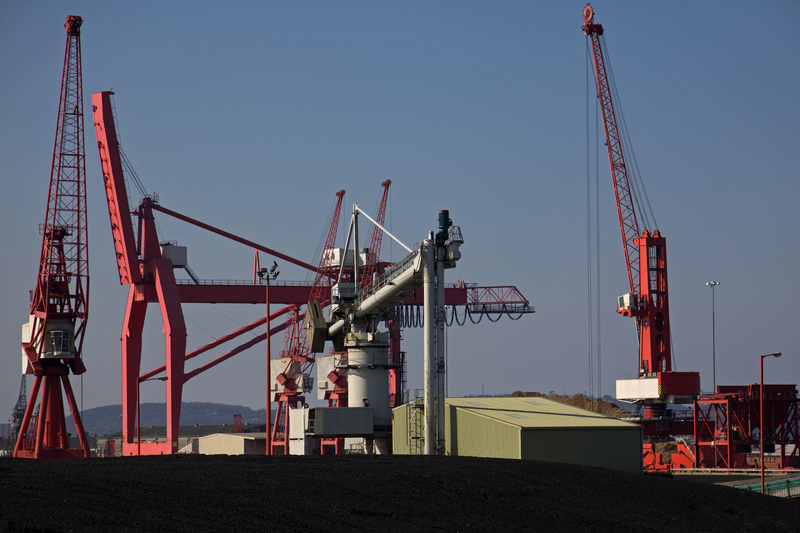
Docklands refers to the former docklands area on the eastern side of central London, developed from working docks and industrial waterway land into a landscape of housing, offices and waterside public space. It is closely associated with the River Thames, dock basins and former wharves that once supported trade through the Port of London. The modern district includes the Isle of Dogs, Canary Wharf and nearby waterside neighbourhoods, but the name still carries the memory of the older dock system that shaped the area for generations. The transformation of the docks began in the late twentieth century after the decline of shipping activity, and many parts of the area now combine redeveloped warehouse sites with purpose-built towers and pedestrian routes. Canary Wharf stands out as one of London’s best-known financial centres, with large office buildings, shopping concourses and transport links that make it a major destination in its own right. Public spaces such as Canada Square, the docks themselves and the riverside walkways offer open views across water and city architecture, while the wider locality includes residential developments, marinas and landscaped paths that reflect its post-industrial character. Even with its modern appearance, Docklands still contains traces of its maritime past through place names, dock edges and the layout of former industrial land, giving the area a distinct identity within London’s changing riverfront.
How the service is organised
For many customers, the main advantage of a man with van arrangement is flexibility. It can suit a move that does not justify a full removal crew, yet still needs more care than a standard parcel delivery. The service can be organised around a single collection, a few stops or a direct transfer between properties. That makes it suitable for everyday moving tasks where the contents are known in advance and the key aim is to transport them safely and efficiently.
The vehicle size and loading plan should match the job rather than the other way round. A smaller load can often be completed more simply, while a denser load may need a bit more structure so that nothing shifts in transit. Moving truck options can be useful for larger or more awkward jobs, but a man with van service remains a practical choice where convenience and adaptability matter more than scale. It is often the right middle ground between a courier and a full house move.
For customers deciding what to book, the important question is usually how much help is needed at each stage. Some moves are just about transport; others need help carrying, positioning or loading a few heavier items. Being clear on the scope keeps the job efficient and helps align the service with the actual work involved. If you want to compare approaches, house removalists are more suitable when the move is broader and requires a more comprehensive household removals setup.
Pricing factors and quotation details

Quotation requests are usually shaped by a few straightforward factors: the number and size of items, the distance travelled, access at each address and whether loading help is needed. Jobs with stairs, limited parking or very heavy items may take more planning than a simple ground-floor collection, so it helps to describe those details clearly. The more accurately the move is defined, the easier it is to quote for the work that is actually required.
If there are several pieces to move, a short list can be useful, but it does not need to be elaborate. A basic item summary, plus any note about dismantling, fragile surfaces or delivery timing, usually gives enough structure for sensible planning. The service is also more efficient when customers know whether they need one-way transport, a return trip or help with a few extra stops. You can keep the request simple, then ask for a quotation based on the route and items involved. Pricing and quotes is the best place to review how the service is approached commercially.
Where a move includes specialist pieces, it is worth mentioning them early so the work can be matched properly to the load. A heavy appliance, a long wardrobe or several bulky boxes may affect the layout of the van and the time needed for handling. Clear details do not have to be lengthy; they just need to be specific enough to avoid guesswork. That is often the difference between a smooth booking and one that feels rushed.
Collection, delivery and onward support
A good man with van service does not stop at the collection address. Delivery matters too, especially when items need to be placed carefully, protected from scuffs or carried up to the right room. Customers often want the move to finish with the relevant pieces in position rather than left in a hallway or loading area. That practical finish is part of what makes this type of transport useful for both homes and small businesses.
There can also be situations where the main job is a combination of moving and clearing. A customer may want to transfer useful items to a new address while also removing no-longer-needed goods from the old one. In those cases, it is important to separate the two tasks clearly so that disposal, recycling or relocation are handled in the correct way. Recycling and sustainability provides a relevant route when the move includes items that should be directed away from landfill where possible.
If the plan includes items that need a different treatment from ordinary household contents, the safest approach is to identify them before collection day. That might include appliances, mattresses, sofas or other pieces that need their own handling route. Clear sorting makes the move more orderly and helps keep the load consistent from start to finish. For customers who want to finalise the booking, the simplest next step is to request a quotation and outline the items and access details in one message.
Contact and booking options

When you are ready to arrange Docklands man with van transport, the most useful next step is to share the essentials of the job. That usually means the collection point, delivery point, the number of items and any information about stairs, parking or heavy pieces. With those details, the move can be reviewed in a practical way and matched to the right level of support. If the job involves several rooms or a mix of household and business items, note that too so the load can be planned properly.
Some customers need a simple transfer of a few boxes or a single item; others need a more rounded moving solution with loading assistance. Either way, the service works best when the scope is clear and the timing is realistic. If you want to review the main pages before getting in touch, book online offers a direct route to making the next step. Please ask for a quotation when you are ready.
Request a quotation today if you need practical moving help in Docklands and want a service shaped around the actual contents of the job. Whether it is a flat move, a furniture pick-up or a business collection, we can help you keep the transport straightforward. For direct enquiries, contact us to discuss the move and get a quote.